24 Aug 2026
Volatility Patterns Guiding Cashback Strategies for Britain's Regular Mobile Reel Players

Data from industry reports shows that volatility patterns in mobile slot games influence how frequent British players approach cashback redemptions, with high-volatility titles prompting different timing and threshold decisions compared to low-volatility options.
Understanding Volatility in Mobile Slot Environments
High-volatility slots deliver infrequent but larger payouts while low-volatility games produce smaller wins at steadier intervals, and British players who engage regularly with these titles adjust their cashback strategies accordingly. Observers note that mobile platforms enable real-time tracking of these patterns, which lets players monitor session outcomes and align redemptions with volatility cycles that emerge during extended play.
Research indicates that players often examine payout frequency data before committing to a session, because volatility directly affects the pace at which cashback balances accumulate and become eligible for withdrawal. Those who've studied player behavior across multiple UK operators report that high-volatility preferences lead to longer holding periods before redemption, whereas low-volatility sessions generate more frequent but modest cashback triggers.
How Volatility Influences Redemption Timing
Players facing high-volatility reels tend to delay cashback requests until accumulated balances reach higher thresholds, since the irregular win patterns require extended play to offset variance. Data shows this approach helps maintain bankroll stability during stretches without returns, and mobile interfaces facilitate quick checks on volatility metrics that inform these decisions.
Low-volatility games, by contrast, allow more predictable cashback accumulation, so frequent participants often redeem smaller amounts at shorter intervals to reinvest immediately. Studies from research institutions reveal that this split in strategy appears consistently among British mobile users who track game data across sessions, with volatility metrics serving as the primary guide for when to activate redemption features.
Player Segments and Their Cashback Approaches
Regular mobile reel enthusiasts fall into distinct groups based on volatility tolerance, and each group develops tailored redemption habits. High-volatility specialists monitor session length and average return intervals before selecting cashback options, while those favoring steady play use volatility indicators to time redemptions around consistent win cycles. Figures from operator analytics demonstrate that these segmented approaches result in measurable differences in redemption frequency and average claim sizes.
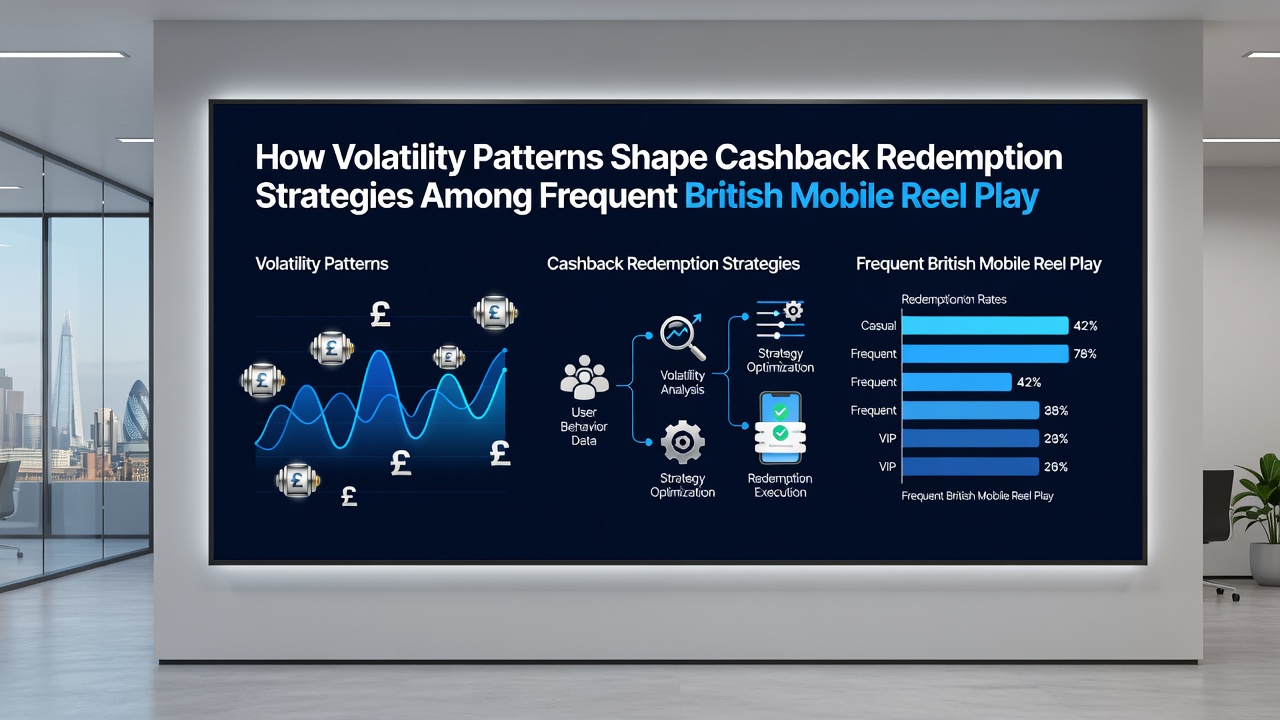
August 2026 brought updated industry datasets that highlighted continued growth in mobile slot participation, with volatility tracking tools becoming standard features on major platforms. These tools provide the granular information players need to refine cashback timing, and reports confirm that users who integrate volatility data into their routines show distinct redemption patterns compared to those who do not.
Data Patterns Across British Mobile Sessions
Analytics from multiple platforms indicate that cashback redemption rates rise during periods when high-volatility games dominate player time, because larger but rarer wins push balances toward redemption thresholds more abruptly. Low-volatility sessions, however, produce steadier redemption activity distributed across shorter intervals. According to findings published by the Victorian Responsible Gambling Foundation, volatility exposure correlates directly with how players structure their reward claims, a pattern that holds across different regulatory environments.
Those monitoring UK mobile trends observe that players often combine volatility filters with cashback calendars, allowing them to predict optimal redemption windows based on historical session data. This method reduces instances of premature claims during high-variance stretches and supports more efficient use of available balances.
Platform Features Supporting Volatility-Based Strategies
Mobile operators have introduced volatility meters and session simulators that display expected payout distributions, giving players the information required to match cashback redemptions to their chosen game types. These features appear in response to observed player demand for data-driven tools, and reports from the Alberta Gaming Research Institute note similar developments in other markets where mobile engagement continues to expand.
Integration of these tools into daily play routines enables British participants to adjust redemption strategies dynamically, responding to real-time volatility shifts rather than fixed schedules. The result is a more adaptive approach to cashback management that aligns with the inherent variance of individual slot titles.
Conclusion
Volatility patterns continue to shape cashback redemption strategies among frequent British mobile reel players, with data confirming that high-volatility and low-volatility preferences produce measurable differences in timing, threshold selection, and overall claim behavior. Platform tools and industry reports provide the factual basis for these adaptations, allowing players to align redemptions with session outcomes across varying game types.