15 Aug 2026
Unlocking Tiered Rewards: Navigation Strategies in Britain's Progressive Slot Incentive Systems
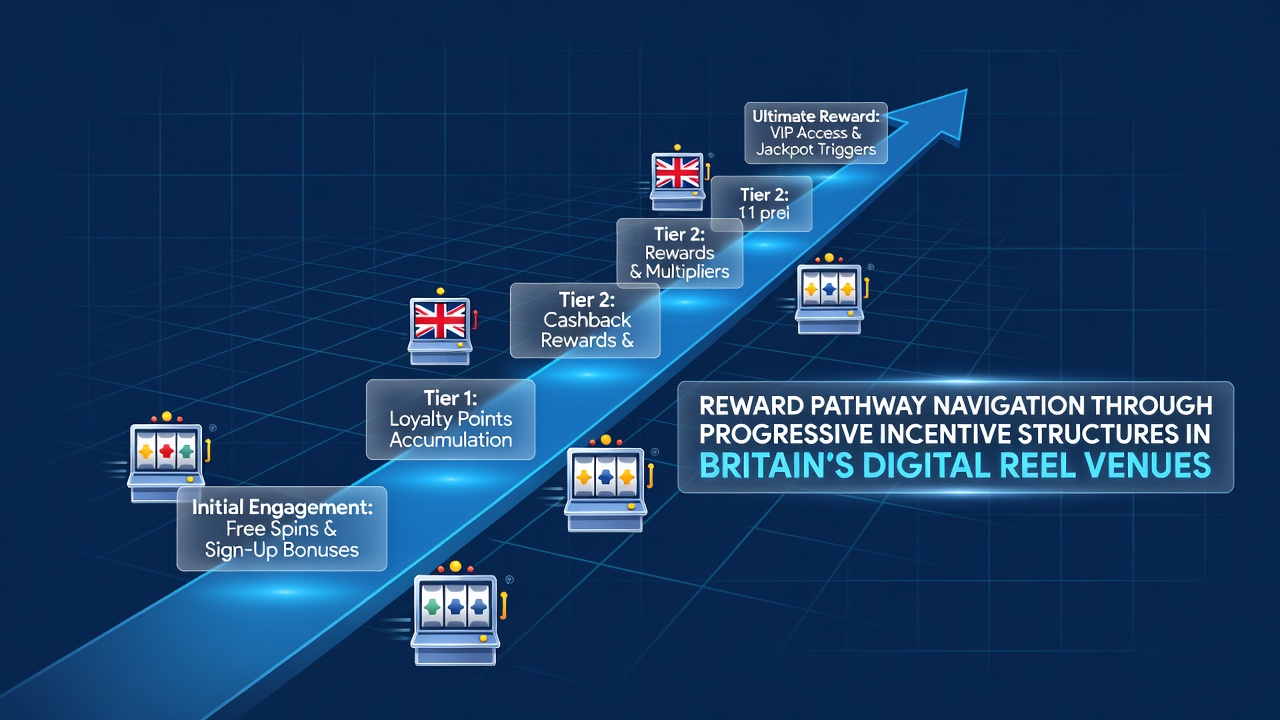
Britain's digital reel venues operate through layered incentive frameworks that guide players along defined reward pathways, and these systems rely on progressive structures to maintain engagement over extended periods. Data from industry reports shows that operators design these pathways with increasing benefit levels tied to play volume and consistency, which creates measurable progression points for participants. Observers note that players encounter entry-level rewards such as enhanced free spin allocations that scale into higher-value cashback percentages and exclusive event access as activity thresholds are met.
Core Mechanics of Progressive Incentive Design
Progressive structures function through sequenced milestones where initial participation triggers baseline incentives while sustained activity unlocks elevated tiers, and this model appears across multiple platforms in the British market. Figures reveal that many venues track metrics including session frequency, wager totals, and game variety to determine advancement, which allows the system to adapt rewards dynamically without manual intervention. Those who've studied platform operations find that the pathways often incorporate branching options where players select between immediate smaller rewards or deferred larger payouts, creating decision points that extend interaction time.
August 2026 saw several operators refine these mechanisms with updated tracking algorithms that respond faster to player behavior patterns, and the adjustments aligned with broader industry shifts toward personalized progression routes. Research indicates such refinements stem from aggregated user data sets that highlight optimal reward spacing to prevent early dropout, while maintaining regulatory compliance across jurisdictions.
Player Strategies for Pathway Advancement
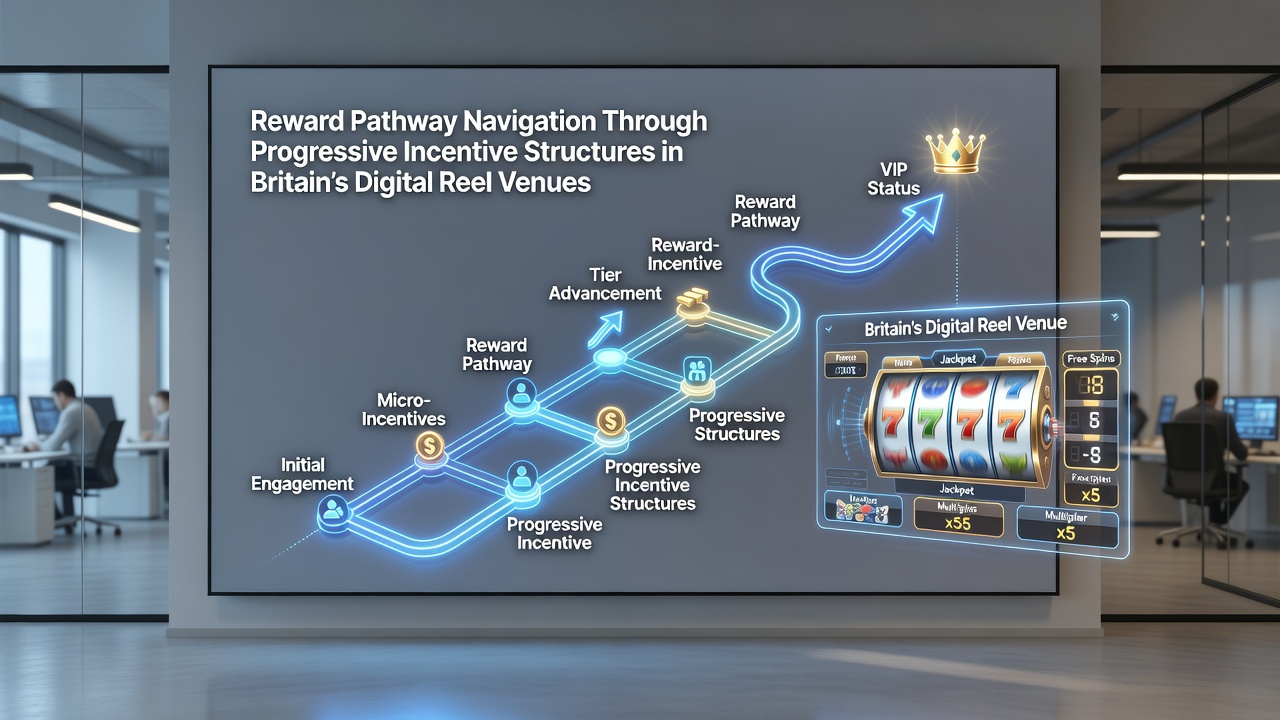
Participants navigate these systems by monitoring personal progress dashboards that display current tier status alongside upcoming unlock conditions, and this visibility encourages deliberate pacing of play sessions. Experts have observed that many individuals prioritize games contributing higher points multipliers during early stages to accelerate tier climbs, whereas others focus on consistent daily logins to secure streak-based bonuses that compound over weeks. One study revealed that players who map out their advancement goals in advance achieve higher completion rates for mid-tier rewards compared to those engaging without structured plans.
What's interesting is how external factors like seasonal promotions integrate into existing pathways, allowing temporary boosts that help bridge gaps between standard tiers. Data shows these integrations occur most frequently around major sporting events or holiday periods, when venues layer additional incentives onto baseline progression rules to sustain momentum through slower months.
Measurement of Engagement Outcomes
Industry analyses track retention metrics tied directly to pathway completion rates, and evidence suggests that players reaching advanced tiers demonstrate longer average session durations than those remaining at entry levels. According to findings from the Canadian Gaming Association, similar tiered models in other markets correlate with increased cross-game exploration, as rewards often require sampling multiple titles to fulfill diversity criteria. British venues apply parallel tactics where pathway navigation encourages exposure to both high and low volatility options within a single platform ecosystem.
Yet platform operators also monitor potential fatigue points where progression slows, prompting them to insert mid-tier accelerators such as bonus challenges that reset upon completion. Researchers discovered these interventions maintain flow without disrupting the overall progressive arc, and they appear calibrated to regional player preferences observed through anonymized behavioral logs.
Comparative Insights from International Models
British systems share structural similarities with frameworks documented in other regulated markets, although local implementations emphasize mobile-first accessibility and integration with banking tools common in the UK. A report by the Australian Institute of Family Studies examined comparable reward navigation in digital gaming contexts and noted that clear visual progress indicators reduce player confusion while supporting informed decision-making. Observers note British venues have adopted enhanced dashboard features that display projected reward timelines based on current activity rates, mirroring techniques validated in those international studies.
August 2026 brought further alignment in reporting standards across borders, enabling operators to benchmark their incentive structures against global datasets while preserving jurisdiction-specific adaptations. This cross-pollination supports refinement of pathways that balance operator objectives with player retention data collected over multiple quarters.
Conclusion
Progressive incentive structures in Britain's digital reel venues continue to evolve through data-driven adjustments that respond to both player navigation patterns and seasonal market conditions. The pathways integrate milestone tracking with adaptive rewards, creating systems where advancement depends on consistent engagement across defined metrics. Information from industry and academic sources demonstrates measurable impacts on session length and game exploration, while international comparisons provide context for ongoing refinements observed in 2026. These frameworks represent established operational models within the sector, with navigation tools designed to support player movement through successive benefit levels.