22 Aug 2026
Tracing the Timeline of Reward Achievements Across UK Digital Slot Platforms
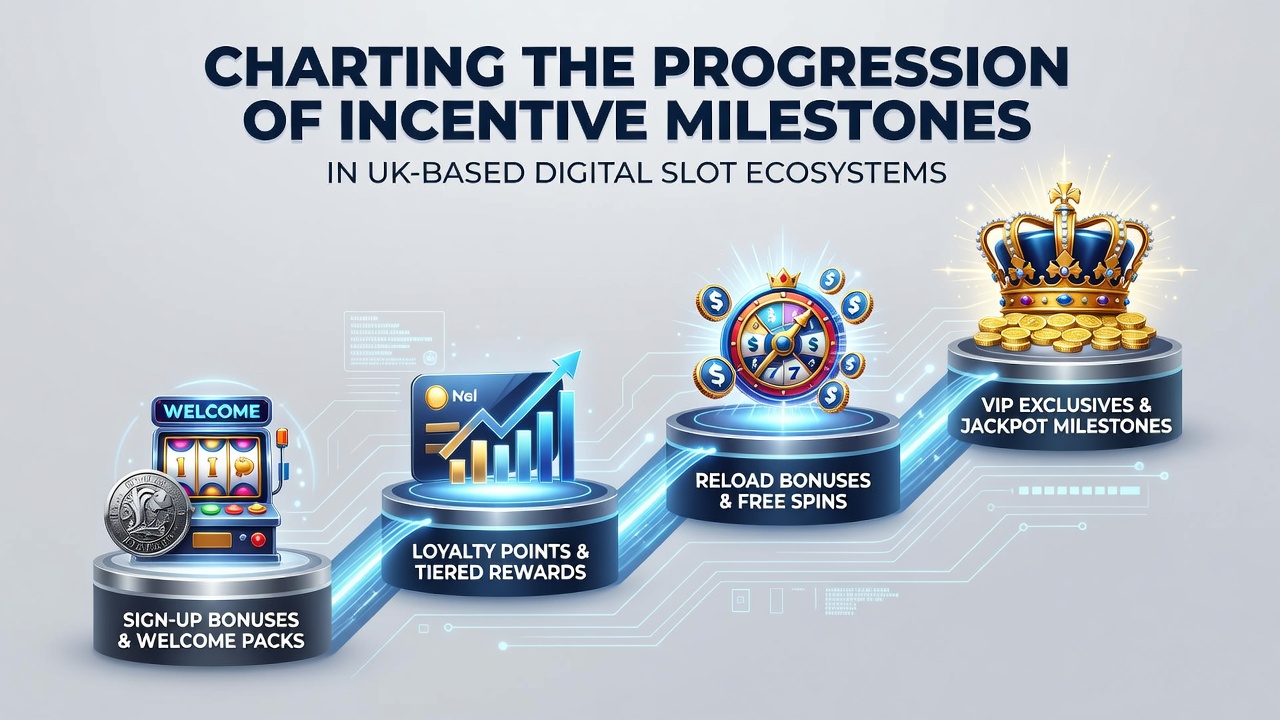
Operators in the United Kingdom began introducing structured incentive programs for digital slot platforms during the mid-2000s, when simple deposit matches and limited free spin packages formed the core of early reward systems, and these initial offerings focused primarily on attracting new accounts rather than sustaining long-term engagement. Data from industry reports indicate that participation rates in these basic structures climbed steadily as more platforms entered the market, while competition encouraged the addition of progressive elements such as cumulative spend thresholds that unlocked extra credits after set numbers of spins.
Early Structures and Their Expansion
By the early 2010s, several major sites had layered loyalty points onto existing welcome packages, allowing players to exchange accumulated points for cashback or additional rounds, and this shift marked the first clear milestone system where repeated activity produced escalating returns. Figures from the American Gaming Association reveal parallel developments in other regulated markets around the same period, demonstrating that UK platforms adopted similar tiered models to maintain user retention amid growing regulatory oversight in multiple jurisdictions. Observers note that these point-based systems often required specific wager volumes before advancement to higher levels became possible, creating measurable progression paths that replaced one-time promotions.
Milestone Integration in Mobile Environments
Mobile compatibility expanded rapidly after 2015, prompting platforms to redesign incentive milestones around session length and daily logins instead of desktop-only metrics, and this adaptation produced new achievement categories such as consecutive play streaks that delivered incremental rewards. Research from the University of Nevada's gaming studies center shows that mobile-first milestones increased average session duration across comparable markets, while UK operators incorporated location-based triggers and push notifications to prompt milestone completion. Those who tracked user data during this phase found that combining mobile accessibility with progressive rewards reduced churn rates compared with earlier static offers.
Task-oriented achievements entered the ecosystem around 2018, when several providers introduced slot-specific quests that required users to reach designated win amounts or trigger particular features within chosen games, and these quests built directly on prior loyalty frameworks by adding narrative elements and time-bound goals. External data compiled by the Australian Institute of Criminology on digital gambling trends highlights how such quest systems spread internationally, with UK sites adapting the format to align with local player preferences for high-volatility titles. The progression from simple point collection to multi-stage challenges represented a notable expansion in incentive complexity.
Recent Developments Through Mid-2026
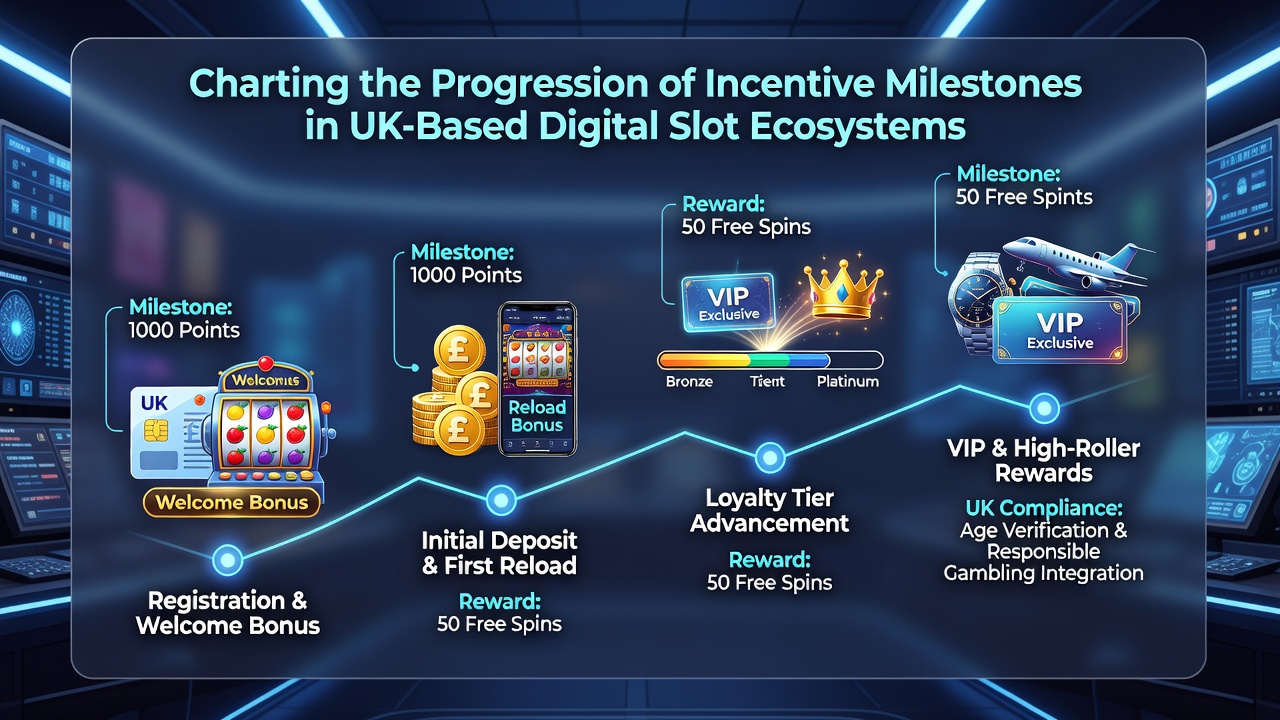
Between 2022 and August 2026, networked referral structures and tournament integrations emerged as additional layers atop existing milestone ladders, enabling users to earn bonus boosts by inviting others or competing in ranked events, and these features connected directly with prior achievement systems to create broader participation networks. Industry organizations such as the European Gaming and Betting Association have documented similar integrations across EU platforms, noting that combined milestone and tournament models produced higher engagement volumes without altering core game mechanics. Platforms in the UK refined these elements further by introducing seasonal resets that allowed fresh progression paths each quarter.
Evidence from multiple operator reports demonstrates that milestone tracking tools, including progress dashboards and automated notifications, became standard features by 2024, and these interfaces helped users visualize advancement through successive reward tiers. Such transparency measures aligned with broader trends toward clearer communication of incentive conditions, reducing confusion around wager requirements and redemption processes. The reality is that these tools evolved from earlier manual tracking methods into automated systems capable of handling thousands of concurrent player journeys simultaneously.
Conclusion
The progression of incentive milestones in UK-based digital slot ecosystems reflects a steady move from isolated promotions toward interconnected, achievement-driven frameworks that span years of platform development. Data continues to show measurable shifts in how rewards accumulate and unlock, while external research from varied international sources supports the observation that these systems have adapted alongside technological and market changes through August 2026. Continued evolution appears likely as operators refine milestone structures to match emerging player behaviors and platform capabilities.