20 Aug 2026
Player Behavior Data Shapes Personalized Promotions in UK Online Slots

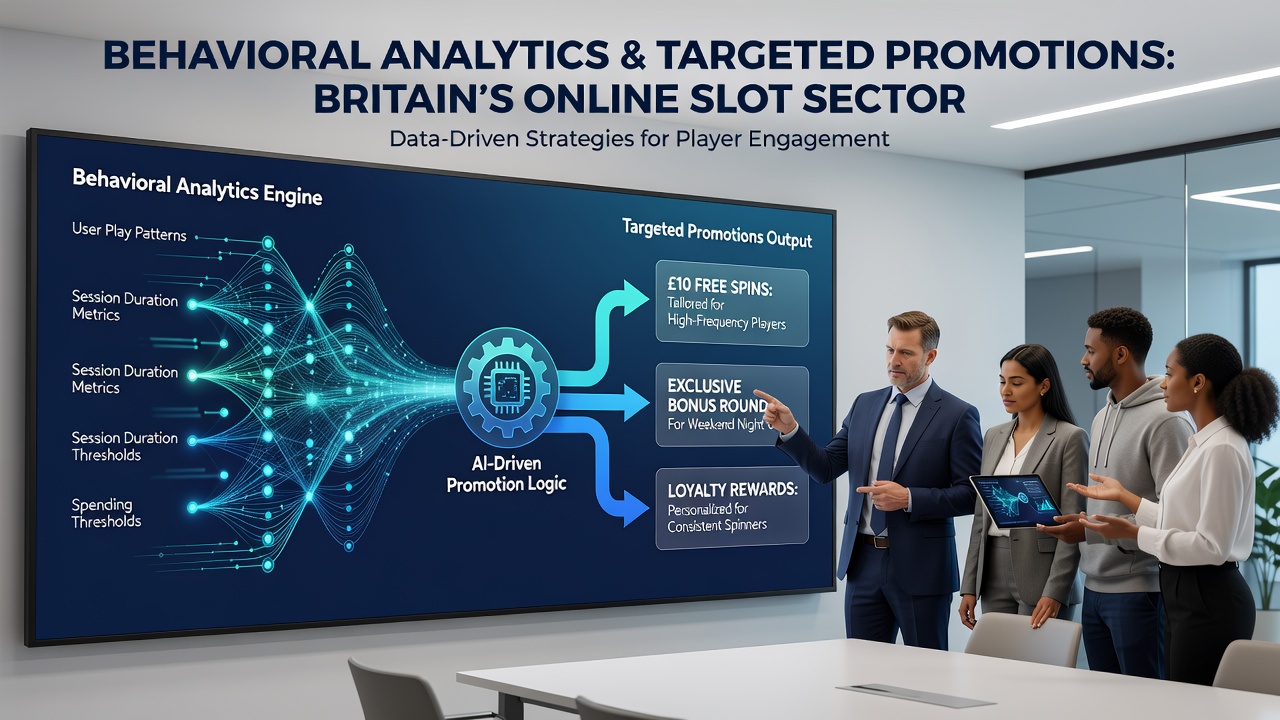
Behavioral analytics now guides how operators in Britain's online slot sector design and deliver targeted promotions, turning raw player data into offers that match individual habits and session patterns. Data collection happens across every spin and decision point, capturing details like bet sizes, game preferences, and time spent on specific titles, which then feeds into algorithms that predict what kind of bonus might extend play or encourage a return visit.
Data Collection and Pattern Recognition
Operators track metrics such as frequency of deposits, preferred volatility levels, and response rates to previous offers, while machine learning models group players into segments based on these signals. One study revealed that players who favor high-volatility slots often respond better to cashback incentives after longer losing streaks, whereas low-stakes regulars show higher engagement with free spin bundles tied to specific themes. These insights emerge from continuous monitoring rather than one-off surveys, allowing systems to adjust in real time as behaviors shift over weeks or months.
August 2026 brought additional layers of data scrutiny as new reporting standards took effect across several European markets, prompting British platforms to refine their tracking methods and ensure compliance with cross-border data rules. Platforms integrated third-party tools from analytics providers to cross-reference on-site activity with broader market trends, revealing connections between mobile session lengths and bonus redemption timing that desktop play did not always mirror.
Turning Insights Into Targeted Offers
Once patterns surface, marketing teams build promotion tiers that align rewards with observed behaviors, for instance sending reload matches to users whose deposit amounts have increased steadily over recent sessions or triggering milestone bonuses after a set number of consecutive days played. According to findings from the Responsible Gambling Council in Canada, segmented campaigns based on similar behavioral clusters produced measurable lifts in retention rates compared with generic blasts sent to entire user bases.
Take one operator that noticed a cluster of players consistently abandoning sessions after hitting a particular win threshold. The platform responded by introducing time-limited multiplier offers triggered precisely when those users reached the identified amount, which data later showed reduced early exits and increased overall handle per session. Such adjustments rely on A/B testing across control groups to confirm which variables drive the desired outcome before rolling out changes at scale.
Regulatory Context and Industry Practices
British platforms operate under rules that require clear disclosure of bonus terms, yet behavioral targeting itself remains permissible when operators maintain responsible gambling safeguards. Reports from Gambling Research Australia highlight how similar data-driven approaches in other jurisdictions have prompted operators to pair promotional triggers with built-in spending limit prompts, creating a balance between engagement tactics and player protection measures.
Seasonal campaigns illustrate the approach in action. During summer months, analytics often flag increased mobile activity among younger demographics, leading to push notifications featuring shorter, more frequent free spin rounds rather than large deposit matches. Operators monitor redemption velocity and subsequent play volume to fine-tune the next cycle of offers, closing the loop between data input and promotional output.
Future Developments in Analytics Application
Emerging techniques incorporate predictive modeling that forecasts when a player might reduce activity, allowing preemptive offers designed to re-engage before a full lapse occurs. These models draw on variables including device type, time-of-day preferences, and even game feature interactions such as bonus buy frequency. Observers note that integration with loyalty systems adds another dimension, where tier progression itself becomes a behavioral signal used to customize reward velocity and exclusivity levels.
Cross-platform data sharing within operator groups further refines targeting, letting insights from sports betting or table games inform slot-specific promotions when player overlap exists. This interconnected view supports more coherent journeys across an operator's portfolio while still respecting data minimization principles required by privacy regulations.
Conclusion
Behavioral analytics continues to evolve as the foundation for promotion strategy in Britain's online slot sector, with operators refining segmentation models and testing new trigger conditions on an ongoing basis. The approach connects detailed player telemetry to reward structures that aim for relevance, supported by testing frameworks and external research benchmarks from multiple jurisdictions. As data capabilities expand, the focus remains on measurable outcomes tied to session metrics and retention indicators rather than broad assumptions about player preferences.