20 Aug 2026
Connecting Player Behavior Data to Custom Reward Systems in British Mobile Slots
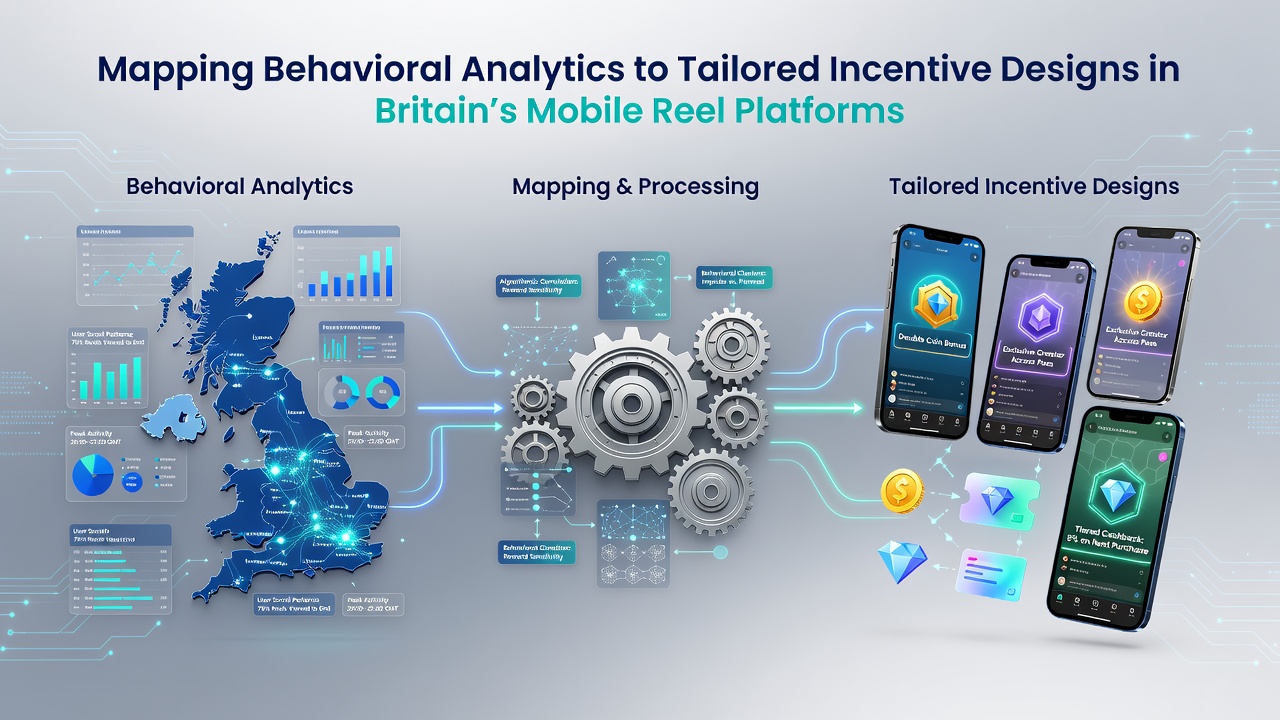
British mobile slot platforms have integrated behavioral analytics into their operations to align incentive designs with observed player patterns, creating systems that respond to individual activity levels and session characteristics. Operators collect data on spin frequency, bet sizing, game selection sequences, and session duration through mobile app interactions, then apply these metrics to generate targeted reward structures. This approach allows platforms to adjust bonus triggers, cashback percentages, and loyalty point accumulations based on real-time usage signals rather than fixed schedules.
Core Components of Behavioral Data Collection
Analytics frameworks track multiple variables across thousands of active accounts, including time of day preferences, device-specific play habits, and responses to previous promotions. Researchers have documented how these datasets reveal clusters of user types, such as those who favor high-volatility titles during short evening sessions versus players who engage in extended low-stake sequences across multiple games. Data indicates that mobile interfaces capture granular signals like swipe speed during feature rounds and pause intervals between spins, which feed into predictive models for reward timing.
Studies from the University of Nevada Las Vegas gaming laboratory show that platforms applying cluster analysis to these inputs achieve higher retention rates when incentives match identified behavioral segments. And operators continue refining algorithms that process this information without requiring manual intervention, allowing automated delivery of personalized offers at scale.
Designing Tailored Incentives from Analytics Outputs
Once behavioral profiles are established, platforms map them to incentive layers that include deposit matches scaled to historical spend patterns, free spin allocations triggered by specific game completions, and tiered loyalty rewards that accelerate based on consistency metrics. For instance, a player whose data shows frequent transitions between low and medium volatility slots might receive offers emphasizing progressive multipliers, whereas another whose sessions cluster around jackpot features could see incentives focused on entry thresholds for tournament-style events.

What's notable is the sequencing of these rewards, where analytics determine not only the type but also the delivery cadence. Reports compiled by the Canadian Centre for Gaming Research indicate that staggered incentive releases, calibrated to individual engagement curves, correlate with extended platform interaction periods across similar markets. British operators have adopted comparable sequencing logic, adjusting parameters monthly as new data streams update the underlying models.
Implementation Patterns Observed in August 2026
By August 2026, several major British mobile slot providers had expanded their analytics pipelines to incorporate cross-session trend analysis, enabling incentives that evolve alongside shifting player preferences. This includes linking reward eligibility to multi-game exploration patterns and applying dynamic stake contribution rules that reflect past volatility exposure. Industry reports note that such adaptations occur through iterative testing cycles, with control groups used to measure uplift from each mapped incentive variant before broader rollout.
External data sources further inform these designs. A 2025 industry review from the Responsible Gambling Council in Canada highlighted how behavioral segmentation supports more precise allocation of promotional budgets, reducing instances where rewards reach users already exhibiting high engagement without additional prompts. British platforms reference similar segmentation frameworks when calibrating their own systems, integrating variables such as geographic location within the UK and preferred payment methods into the mapping process.
Challenges in Maintaining Accurate Mapping
Accuracy depends on continuous data validation because player behaviors shift in response to external factors like seasonal events or device updates. Observers note that platforms employ feedback loops where incentive performance metrics loop back into the analytics engine, prompting adjustments to cluster definitions and reward parameters. This creates a closed system where the mapping between behavior and incentives remains responsive rather than static.
Those who have examined these operations point to the role of privacy-compliant data aggregation techniques that preserve individual anonymity while still enabling pattern detection at group levels. Such methods support the scaling of tailored designs across large user bases without compromising regulatory data handling standards.
Conclusion
Mapping behavioral analytics to tailored incentive designs has become a standard operational feature across Britain's mobile reel platforms, driven by the integration of session-level data into reward generation processes. The resulting systems deliver incentives that reflect documented usage patterns, with adjustments occurring through ongoing model refinement. As datasets grow and analytical tools advance, the precision of these mappings continues to develop within the established framework of mobile slot operations.