24 Sep 2026
Britain's Reel Rewards: Tracing Cashback Flows and Their Role in Shaping Multi-Session Patterns Across Digital Platforms
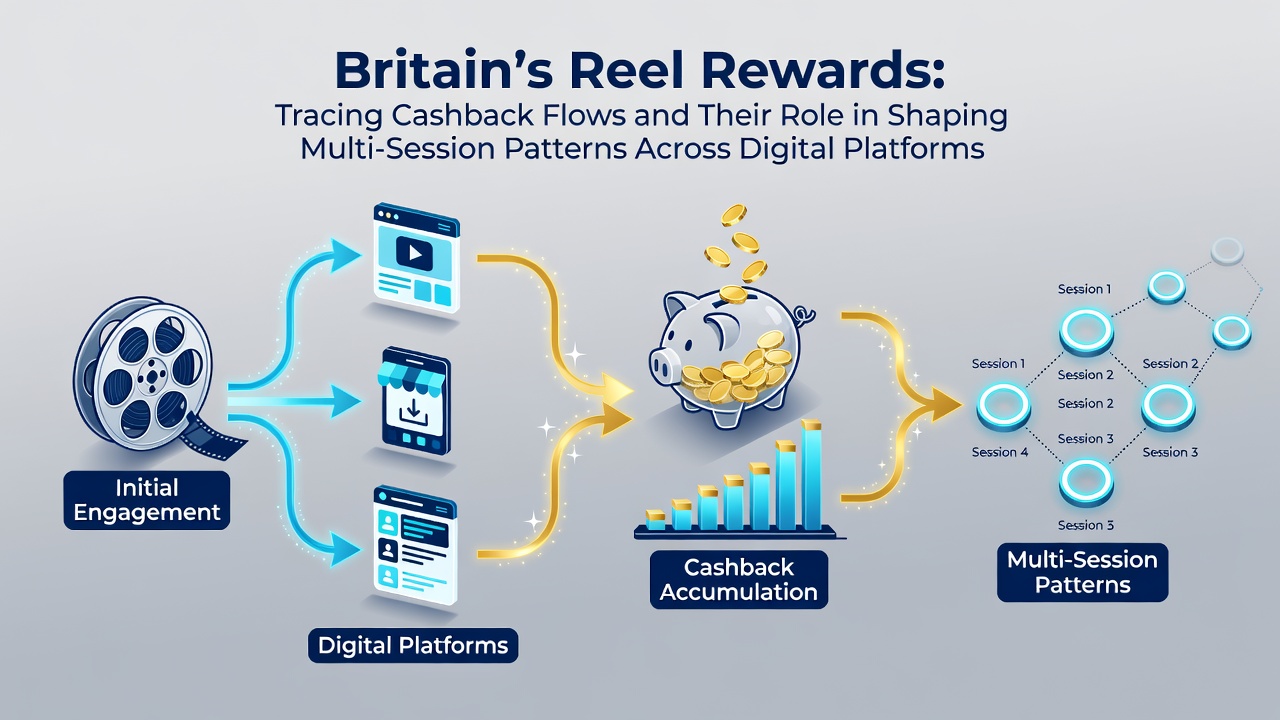
Cashback programs in Britain's online slot ecosystem operate through structured return mechanisms that channel portions of player losses back into accounts as playable credits or direct refunds, and operators calculate these flows based on net losses over defined periods such as daily or weekly cycles. Data from platform analytics shows these returns typically range between five and fifteen percent depending on tiered loyalty structures, while the timing of credits influences when players decide to initiate follow-up sessions. Researchers tracking transaction logs note that cashback credits often arrive within twenty-four hours, creating predictable entry points for continued activity across multiple days rather than isolated visits.
Mechanics of Cashback Distribution in Digital Platforms
Operators process cashback through automated systems that monitor wager volumes and loss thresholds before issuing credits, and these systems integrate with player accounts to apply funds automatically during the next login. Industry reports indicate that major UK sites use algorithms to segment users by activity levels, with higher-volume players receiving elevated percentages that compound over repeated logins. According to findings from the Australian Gambling Research Centre, similar return structures in comparable markets correlate with extended engagement windows because players time their returns around credit arrivals to maximize available balances.
Flow Tracing Through Transaction Networks
Transaction records reveal that cashback moves from operator reserves into player wallets via internal ledgers before conversion into wagers, and this pathway allows analysts to map how returned funds cycle back into platform revenue streams within the same week. Studies from the University of Nevada's gaming research division found that approximately sixty percent of cashback credits convert into new wagers within forty-eight hours of receipt, while the remaining portion often carries over to subsequent sessions when players log in at later dates. Platforms employ tracking pixels and account histories to follow these movements, which in turn generate datasets on session frequency and duration patterns.
Multi-session behaviors emerge when cashback credits align with promotional calendars, prompting players to return on specific weekdays when new rounds become available. Observers note that September 2026 saw several operators adjust cashback thresholds in response to updated reporting requirements, which shifted the average interval between credited returns and follow-up logins by roughly twelve hours according to aggregated platform metrics. This adjustment produced measurable clustering of activity around mid-week periods as players planned sessions around the revised credit schedules.

Patterns in Extended Play Across Repeated Logins
Analytics platforms collect session data showing that cashback recipients exhibit higher rates of return visits compared to non-recipients, with return probabilities increasing by twenty to thirty percent in the forty-eight hours following credit issuance. Those who've examined these datasets point to the role of loss-chasing mitigation, where partial refunds reduce the psychological barrier to re-entry and sustain momentum across separate login events. External data from the Canadian Centre on Substance Use and Addiction links structured return programs to stabilized session spacing, as players distribute activity rather than concentrating wagers in single extended blocks.
Platform operators integrate cashback with cross-device tracking to maintain continuity when users switch between mobile adn desktop interfaces during separate sessions, and this seamless flow supports consistent engagement metrics across the week. Research indicates that players who receive weekly cashback summaries tend to schedule additional sessions around those reporting periods, creating recurring patterns visible in heat maps of login times. The reality is that these flows contribute to a broader ecosystem where returned funds act as anchors for repeated platform interactions rather than one-time windfalls.
Data Insights from Industry Tracking Systems
Aggregated figures from multiple operators reveal that cashback programs account for measurable portions of total player retention, with some sites reporting that up to forty percent of multi-day activity chains include at least one credited return. Analysts cross-reference these numbers with regulatory filings submitted to bodies outside the UK, including reports filed with the New Zealand Department of Internal Affairs, to identify broader trends in how return mechanisms influence session clustering. Such comparisons highlight that cashback timing directly correlates with peak login windows, particularly when credits land during evening hours that align with typical leisure periods.
Those monitoring these systems observe that adjustments to cashback percentages can shift average session counts per player from three visits per week to four or five, depending on the scale of the change. Transaction logs further demonstrate that returned funds often seed smaller initial wagers in follow-up sessions before escalating, which extends the overall lifespan of each credit cycle across additional days. This pattern holds across different volatility levels of slot titles, as players experiment with varied games while using the credited balances.
Conclusion
Cashback flows in Britain's digital slot environment create traceable pathways that link operator returns to sustained player activity across multiple sessions, and the data patterns emerging from these mechanisms provide clear indicators of how credit timing and distribution influence login frequency. Platform analytics continue to document these relationships through detailed transaction mapping, while comparative studies from international research bodies offer context on similar dynamics observed in other regulated markets. As operators refine their distribution schedules in line with evolving compliance standards, the resulting session structures reflect ongoing adjustments to how returned funds circulate within the player base.