10 Sep 2026
Beneath the Reels: How Analytics Shape Incentive Distribution Patterns Across Britain's Digital Gaming Networks
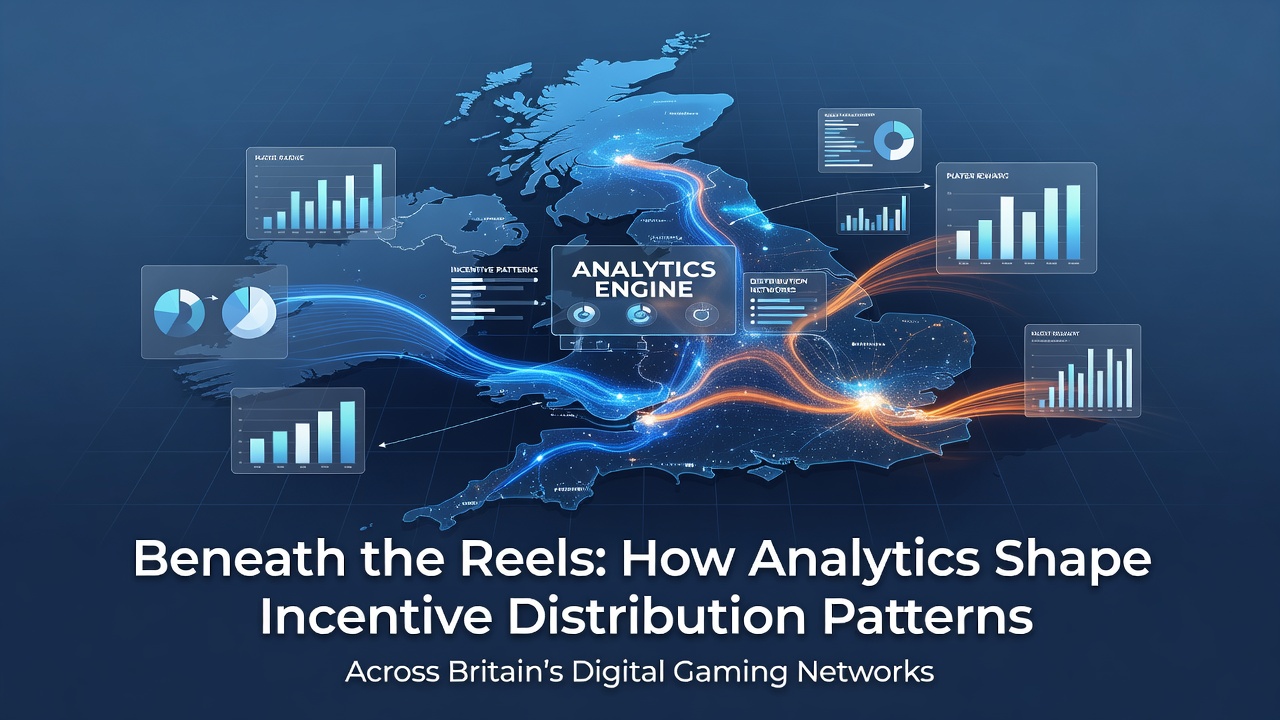
Operators across Britain's digital gaming networks rely on analytics platforms to determine how incentives reach different player segments, and these systems process millions of data points each day to adjust bonus structures in real time. Data collection begins with registration details and extends through every spin, deposit, and session length, which creates detailed profiles that feed into distribution algorithms. Research indicates that operators use machine learning models to identify patterns in wagering behavior, allowing them to allocate free spins, cashback offers, and loyalty rewards based on predicted retention value rather than uniform criteria.
Data Inputs Driving Distribution Decisions
Transaction histories, device types, and time-of-day activity form the core dataset, while supplementary signals include geographic location, payment method preferences, and response rates to previous promotions. Analysts at major platforms integrate these variables into scoring systems that rank players by expected lifetime value, which then dictates the frequency and size of incentives offered. Figures from industry reports show that segmentation often divides users into categories such as high-frequency low-stake players and sporadic high-stake participants, each receiving tailored trigger conditions for bonus activation. A study published by the Australian Gambling Research Centre found similar segmentation practices in comparable markets, where predictive models reduced bonus spend by up to 18 percent while maintaining engagement metrics.
September 2026 brought new reporting requirements that forced operators to log incentive allocation rationale for regulatory review, increasing the granularity of data tracked by analytics teams. These logs now include model version numbers and feature weights used in each distribution batch, which allows external auditors to trace how specific behavioral signals influenced particular offers. Operators have responded by embedding audit trails directly into their customer relationship management systems, ensuring that every incentive push carries metadata on the analytics inputs applied.
Segmentation Models and Personalization Engines
Clustering algorithms group players according to volatility tolerance and session duration patterns, after which rule-based engines apply distribution logic that varies bonus types by cluster. High-volatility seekers might receive reload bonuses tied to larger deposit thresholds, whereas steady low-stake users often see daily free spin allocations calibrated to their average bet size. Real-time bidding systems further refine these offers during active sessions, adjusting available incentives based on current play velocity and remaining balance thresholds. Observers note that such dynamic adjustments became more pronounced after several operators adopted cloud-based analytics suites capable of processing live streams rather than daily batches.
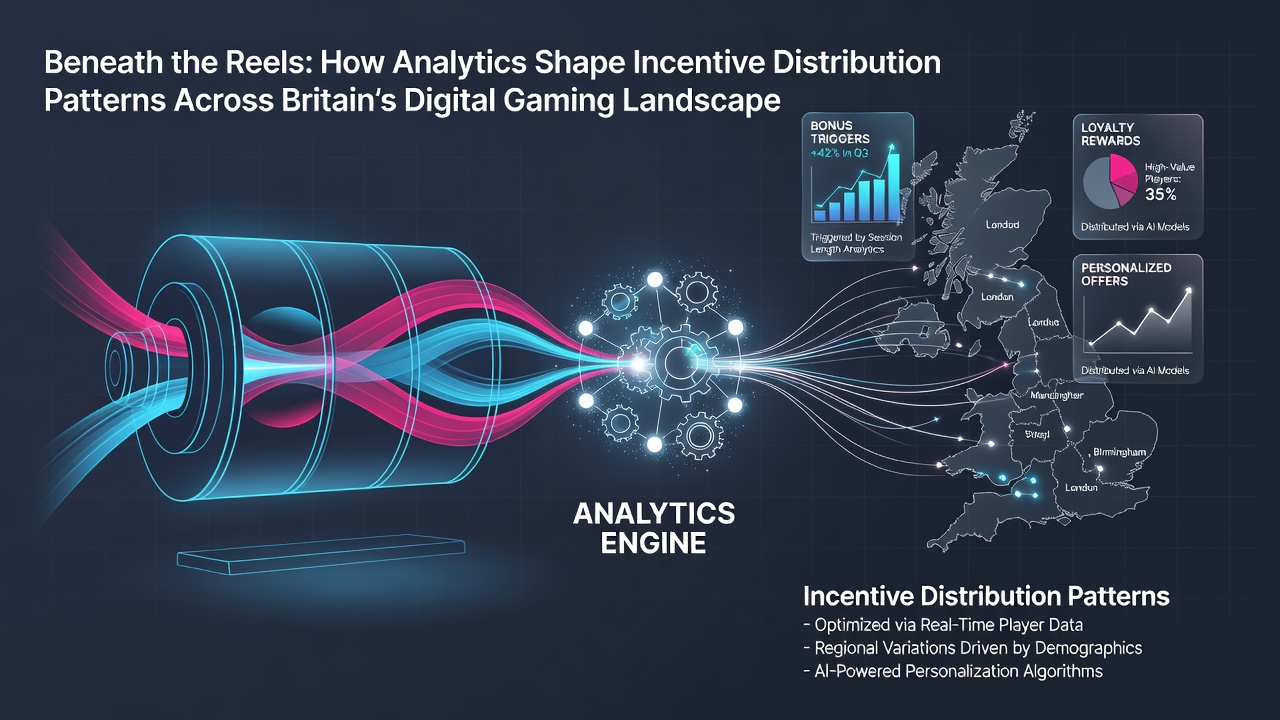
Cross-platform data sharing within affiliated networks enables operators to recognize returning players across multiple brands, which prevents duplicate incentive distribution and concentrates rewards on users who have not yet reached lifetime value caps. This practice relies on hashed identifier matching rather than raw personal data, maintaining compliance while still allowing pattern recognition across sites. Reports from the Responsible Gambling Council in Canada highlight parallel techniques in North American jurisdictions, where unified player databases reduced overlapping bonus exposure by measurable margins.
Network-Level Effects and Operational Adjustments
Analytics also shape how incentives propagate through affiliate and referral structures, with performance metrics determining which partners receive higher commission rates or exclusive bonus pools. Platforms track conversion rates from referral links alongside downstream wagering volumes, feeding these outcomes back into partner ranking models that influence future incentive allocations. When a referral cohort demonstrates elevated churn after initial bonuses, the system automatically lowers reward tiers for that channel in subsequent campaigns. This feedback loop operates continuously, with model retraining cycles occurring weekly at larger operators to incorporate fresh behavioral data.
Seasonal fluctuations appear in the data as well, with analytics engines detecting shifts in deposit timing around paydays and sporting events, then preemptively adjusting bonus triggers to capture those windows. September 2026 data sets revealed that operators who synchronized incentive timing with these detected peaks achieved higher average session lengths compared with static scheduling approaches. The underlying models incorporate external calendar data alongside internal metrics, creating composite forecasts that guide distribution calendars months in advance.
Conclusion
Analytics systems now sit at the center of incentive architecture in Britain's digital gaming networks, converting raw behavioral signals into precise distribution rules that vary by player and moment. Continued refinement of these models, alongside expanded logging mandates introduced in September 2026, points toward even tighter integration between data pipelines and reward mechanics across the sector. Operators continue to invest in both the technical infrastructure and the governance frameworks needed to maintain transparency while optimizing how incentives reach different segments of the player base.